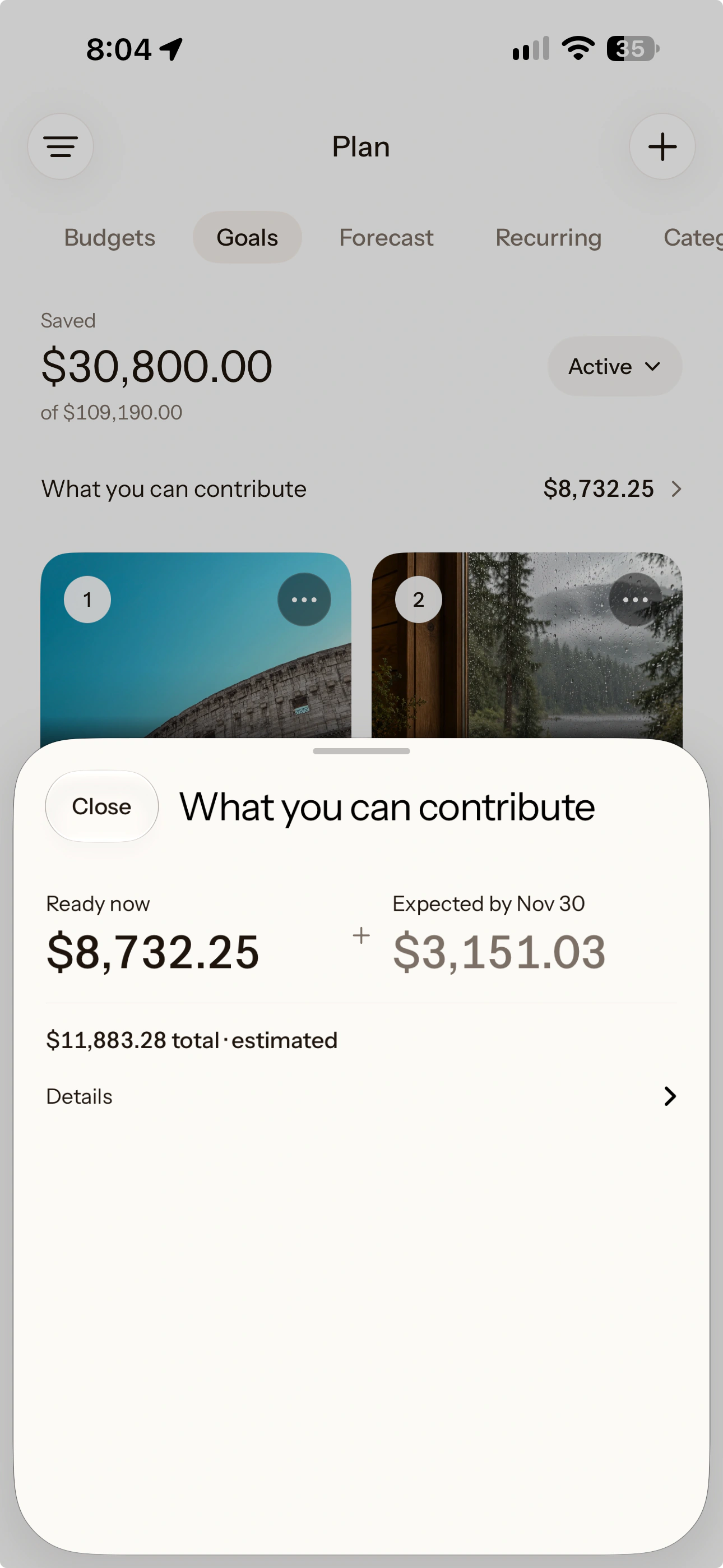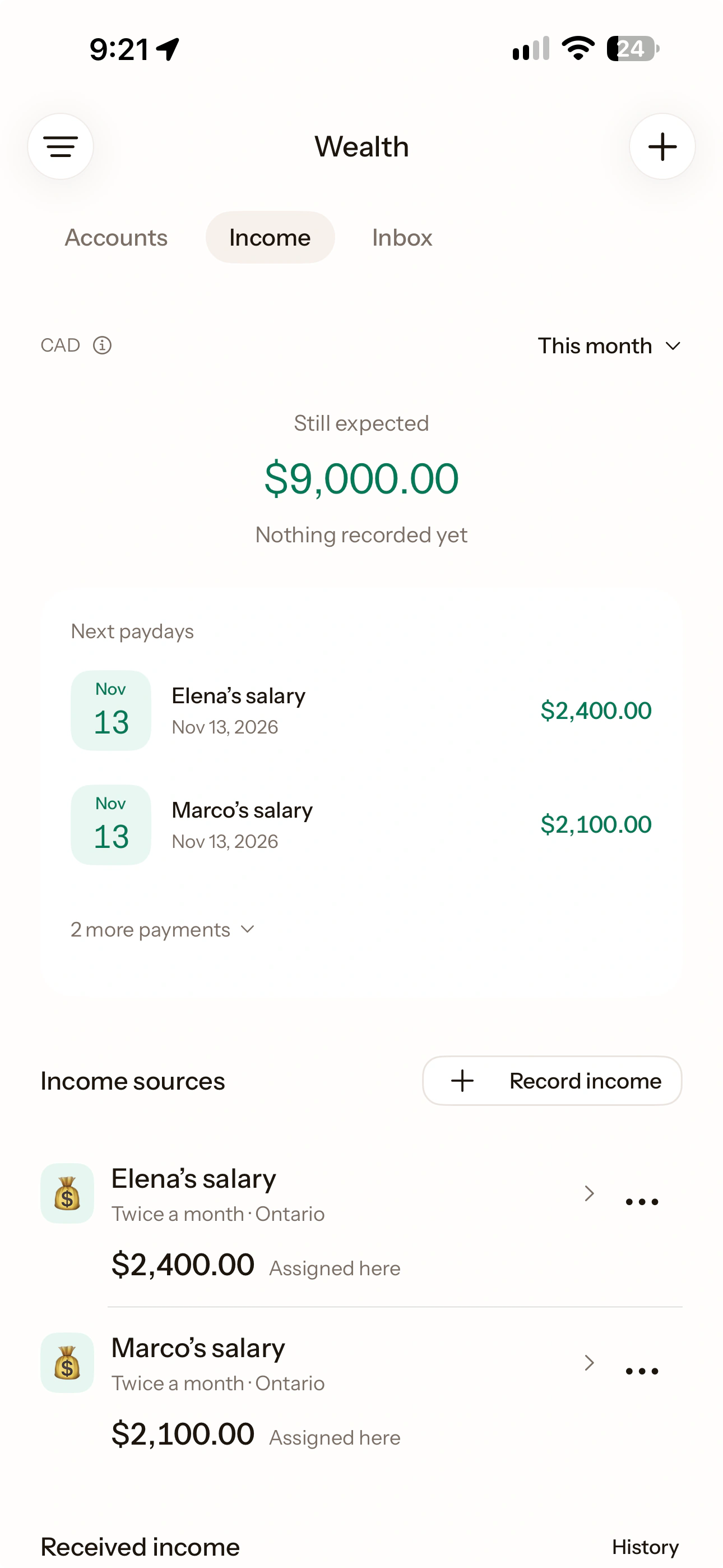

Be as hands on or off as you like.
Utilize the tools inside deezbills yourself, or put Fred to work and watch him take care of everything for you.

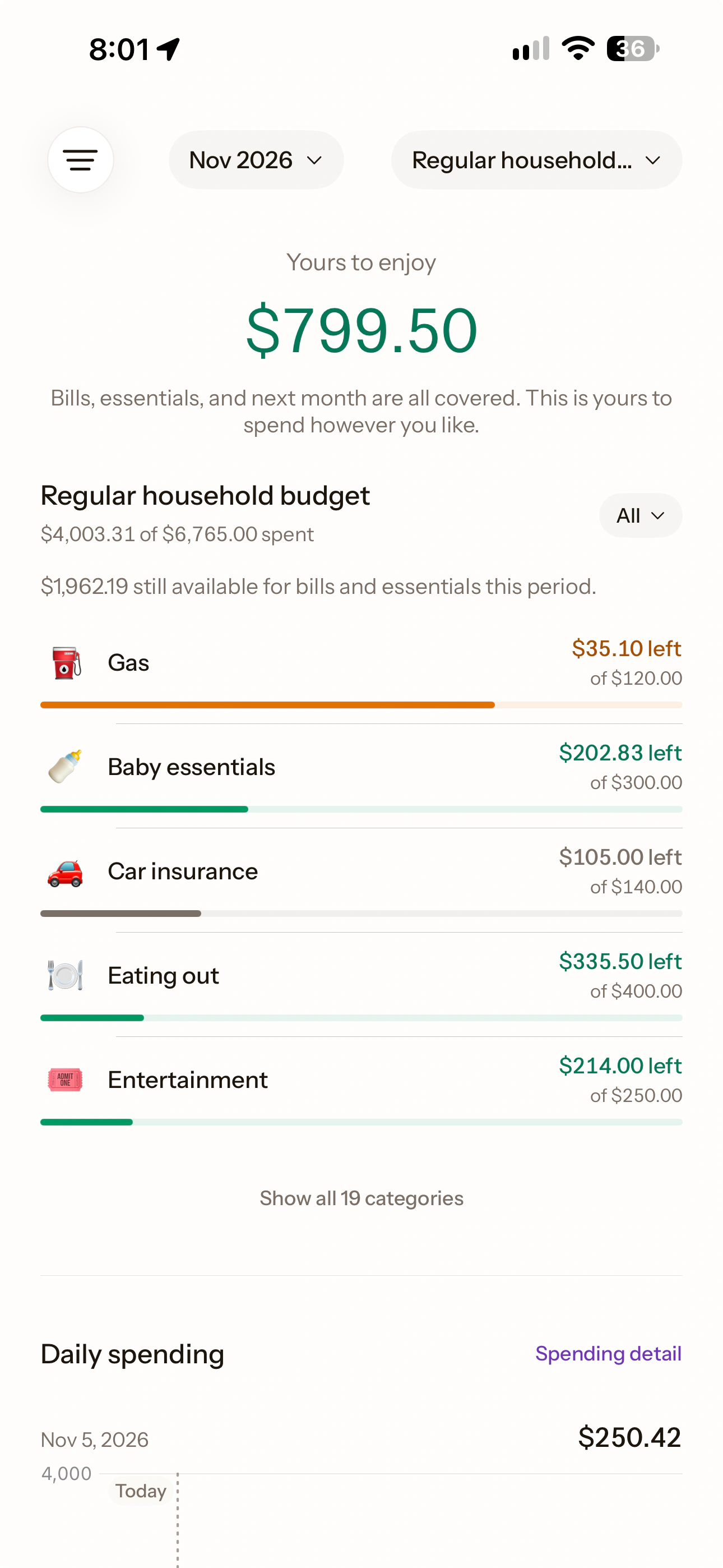
All of your finances, all in one place.
Managing money has never been so simple.
No credit card required. Cancel anytime.


Fred can make mistakes. Check important financial information.
No, being 30 doesn’t mean you’re behind. There’s no universal financial deadline you’ve missed. 💛
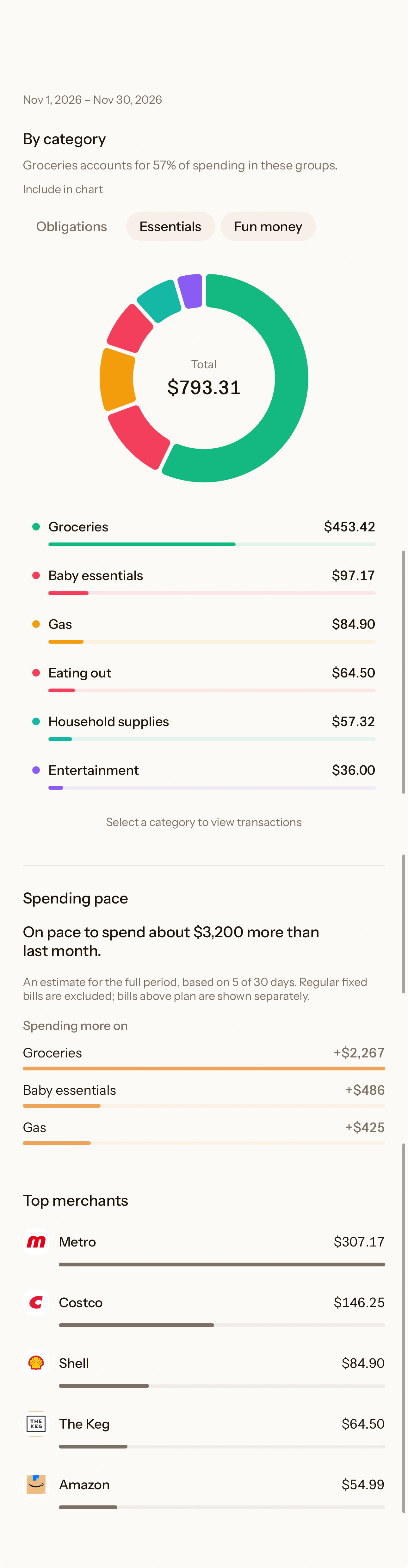
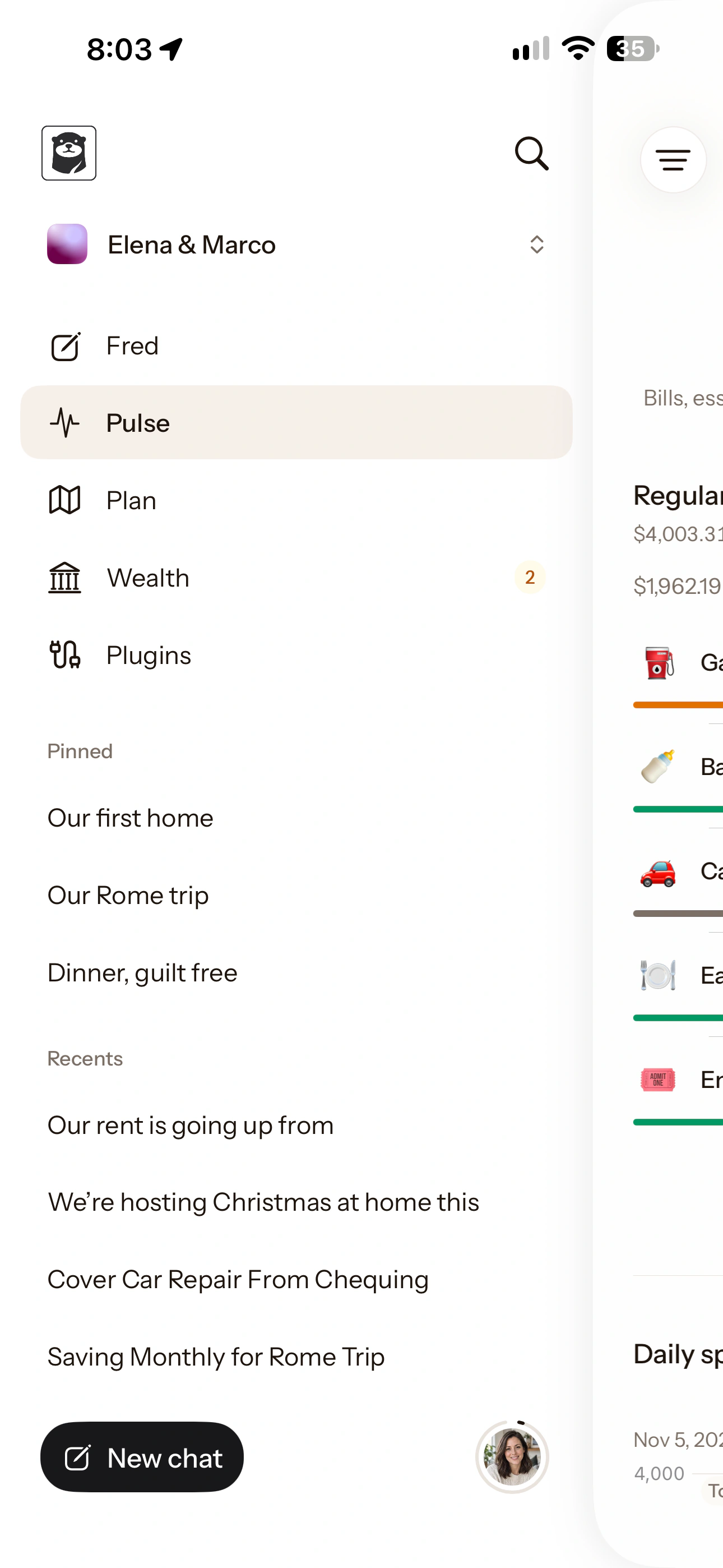
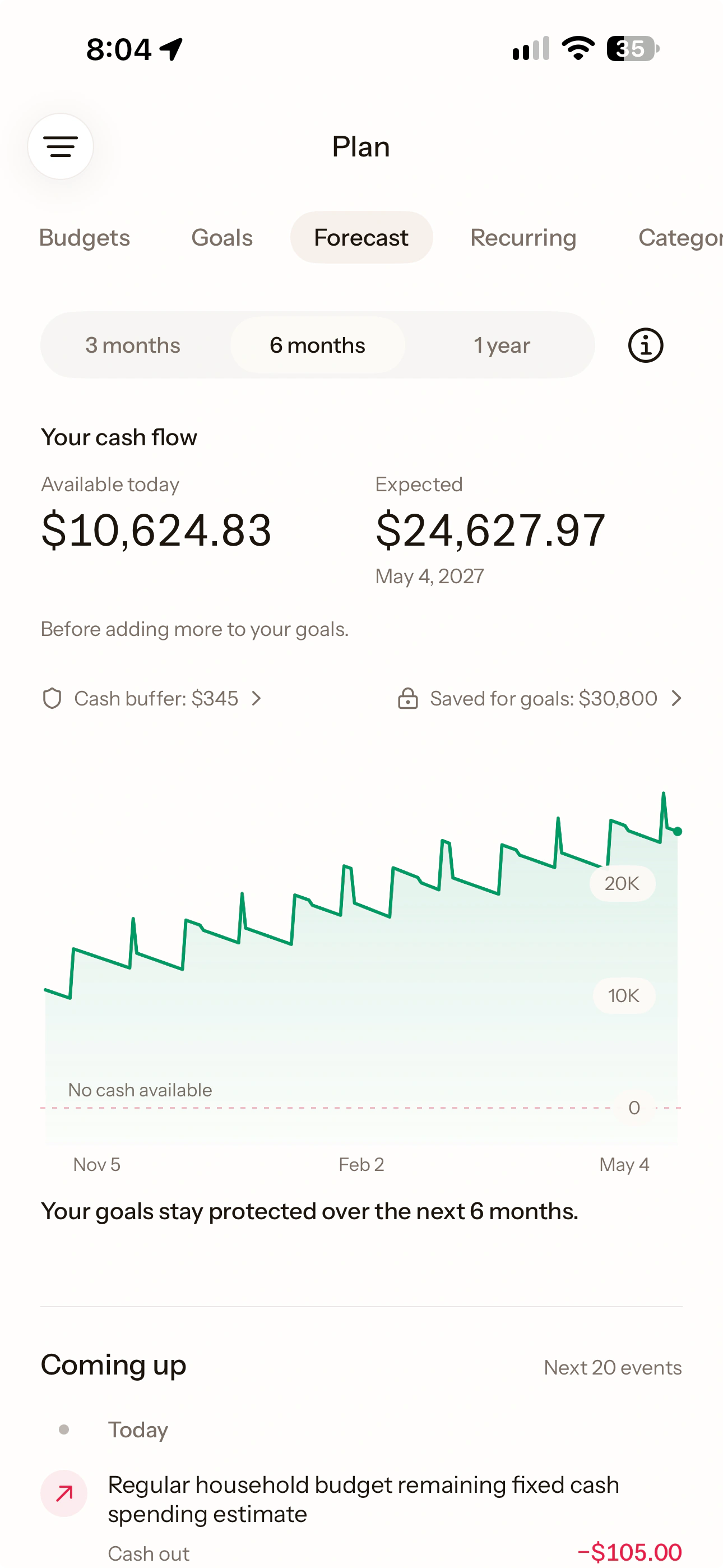
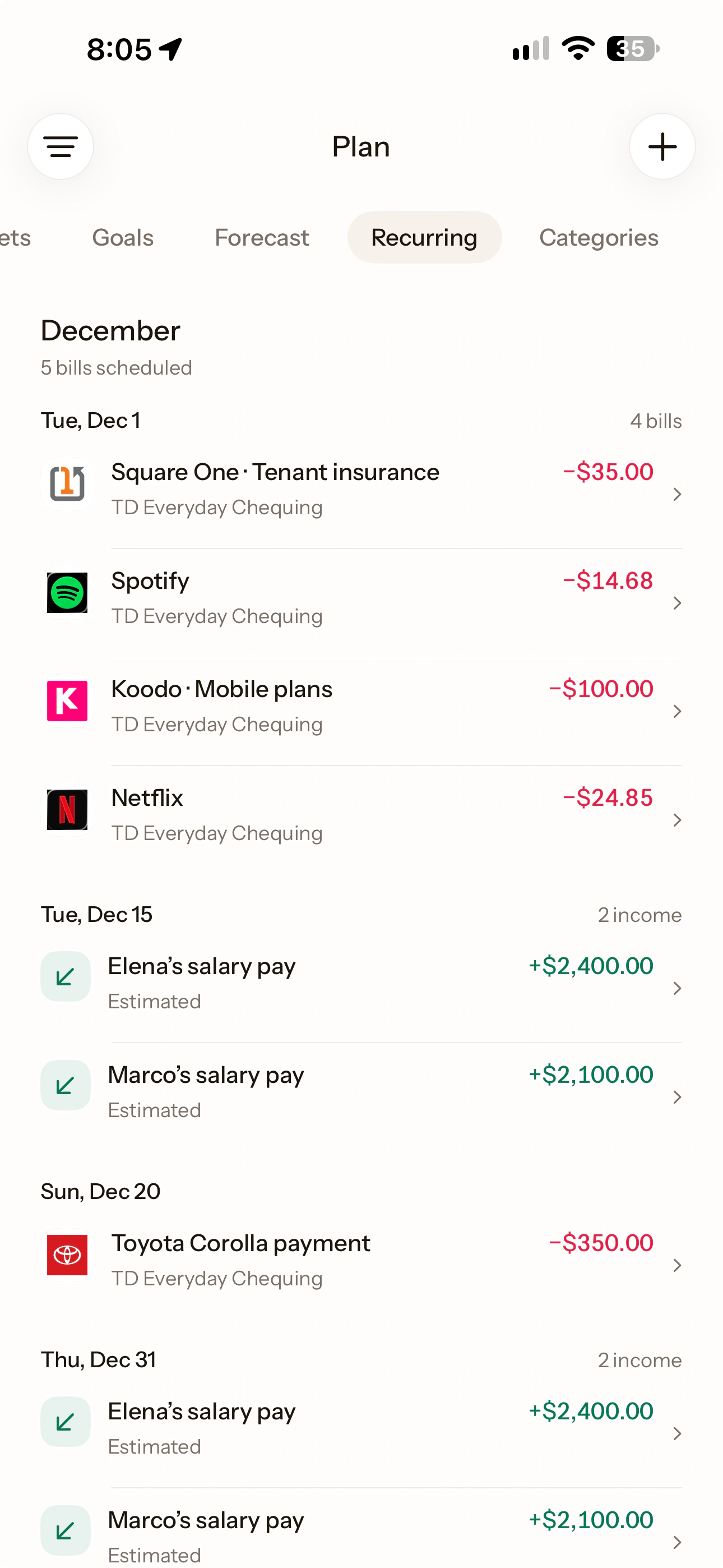
Track, budget, forecast, or put Fred to work and watch him do it for you.
Utilize the tools inside deezbills yourself, or put Fred to work and watch him take care of everything for you.


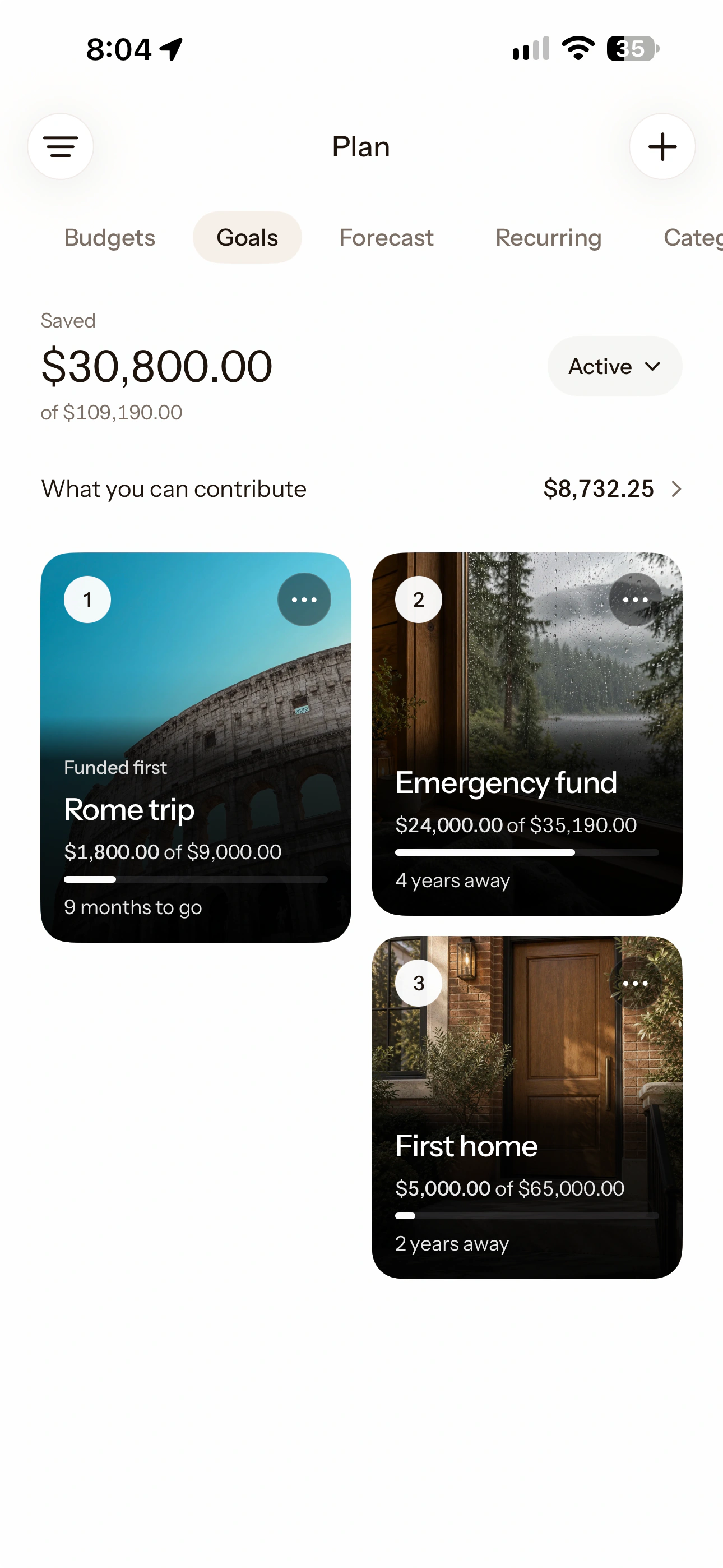
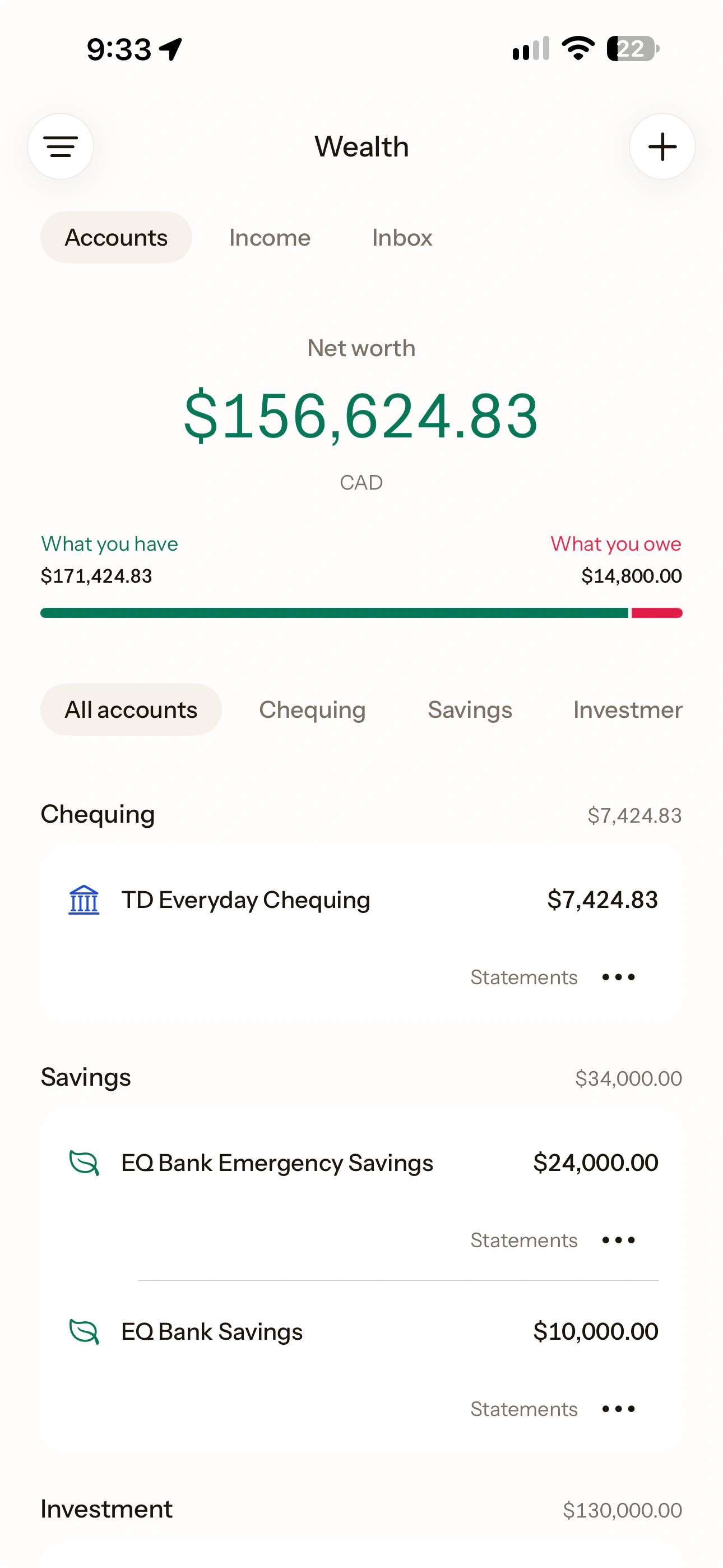
Set priorities and goals, track upcoming bills, expenses and paydays. Your whole financial picture, all in one place.


* iOS app available soon.
Dinner tonight. Your next vacation. Whatever you’re planning, Fred researches the costs, considers your bills and other priorities, and gives you the answers you’re looking for.

can we splurge on dinner tonight?
Yes, a dinner around $100 total, including tax and tip, looks reasonable tonight. 🍽️
Less for you to manage. More life to enjoy, guilt free.
A growing family. A place of your own. Time to enjoy what comes next. Fred researches the costs, tax rules and timing, connects the steps and helps put your plan in place.


Oh, Mina, congratulations to you and Sam! 🥹 Welcome to your little one!
A little tired is understandable with a new baby. Sending you and Sam a little extra kindness today. 💛
Absolutely. We can work out what comes in while you’re off, what the bills need, and whether you’ll need to use savings. 💛
Your current plan still includes $5,400 a month from your salary, so we’ll need to adjust that assumption before relying on it. You’ve recorded $4,303.60 in household spending so far this October, a starting point that may change with the baby.
How long do you expect to be off, and will you receive any pay or benefits during that time? Rough details are fine, including if the amount changes partway through.
That helps. Since your pay continues through your return on December 14, your current plan doesn’t need to assume a leave-related income drop. 💛
Your household plan has $9,000 a month in take-home pay and $5,045 in budgeted spending, leaving about $3,955 a month on paper. That assumes your take-home amounts stay the same and your expenses fit the budget. The forecast also shows no pooled-cash shortfall through your return under those assumptions, so you may not need to draw on savings.
Are there new baby or medical costs coming up that aren’t already in the budget? Even a rough idea will help us make this more realistic.
That’s helpful, and it’s good to know the delivery bills are paid. 💛
If the baby supplies and daycare are additional to your existing budget, your plan would leave about $3,655 a month before daycare starts, and $2,255 a month once you’re paying a full month of daycare. That assumes your take-home pay stays at the recorded $9,000 a month and other spending stays within the plan.
That points to covering the new costs from income rather than savings, though the December timing needs a closer look. Is the $300 already included in groceries or household supplies, and do you know the amount and due date of the first daycare payment?
Add Baby supplies and Daycare to Monthly budget and save your family plan? In US dollars, add $300 per month for baby supplies and $1,400 per month for daycare, bringing the budget to $6,745 per month. Both allocations take effect now, although daycare starts December 14. The first daycare bill’s amount and due date are still unknown. The saved plan estimates $2,255 per full daycare month remains if take-home pay stays at $9,000 and other spending follows the budget. No bills will be paid automatically. Monthly budget — Baby supplies: add 300.00 USD. Baby supplies — budget group: Everyday needs. Baby supplies — predictable or recurring amount: No. Baby supplies — payment method: Bank account or cash. Monthly budget — Daycare: add 1400.00 USD. Daycare — budget group: Everyday needs. Daycare — predictable or recurring amount: Yes. Daycare — payment method: Bank account or cash.
Add costs and save plan
I’ve added $300 a month for baby supplies and $1,400 for daycare, and saved your plan. Your monthly budget is now $6,745. 💛
The daycare allocation appears in the budget now, even though daycare starts December 14. We can revisit the timing once the first bill arrives.
Fred can make mistakes. Check important financial information.


Yes, Mina, buying a place looks like a real possibility for you and Sam. 🏡 The question is less “could we ever?” and more “what price and timing would leave us comfortable?”
Your shared plan has about $9,000 a month coming in and $5,045 in planned spending, including rent. That suggests room to save, provided the income continues and the budget captures your costs. You also have $46,000 recorded across checking and savings, including $24,000 in Emergency Savings.
For perspective, Redfin reports a Raleigh median sale price of about $415,000 in September. At that price, a hypothetical 5% down payment plus estimated closing costs would be roughly $29,000–$41,500, before moving costs. Using your current cash alone could leave your emergency cushion thin. A smaller down payment may be possible, depending on the loan, but usually adds mortgage insurance. CFPB explains the costs .
So I’d see this as worth planning for, not a promise that any particular home is affordable yet. We’d need to account for the mortgage, taxes, insurance and repairs alongside the cash you’d want to keep.
What kind of place are you imagining, and roughly when would you hope to buy?
Yes, a townhouse looks worth planning for, with room for friends and trips too. 🏡
Around $350,000 is a starting point to explore, not a confirmed price limit. With 10% down and a 30-year mortgage at the recent 7.32% national average, principal and interest would be about $2,164 a month. Adding estimated property tax, insurance and HOA dues brings it to roughly $2,600–$3,000 a month, before mortgage insurance, repairs or special assessments. Your actual costs and future rate could differ.
Your shared plan has $9,000 in monthly net income and $5,045 in expenses, including $2,200 rent and $650 for eating out and entertainment. Replacing rent and renters insurance with that estimated housing cost leaves roughly $3,200–$3,600 a month under the current plan, before those extra ownership costs, trips and other unbudgeted needs. That’s encouraging, but not yet a comfortable spending limit.
Up front, the example needs about $42,000–$52,500 for the down payment and estimated closing costs, before moving expenses. Your recorded checking and savings total $46,000, including $24,000 in Emergency Savings, so buying on those terms today could substantially reduce your cushion. Saving over the next few years could help preserve it.
About how much would you like to set aside for trips in a typical year? That will help us find a range that fits your life, not just a mortgage.
Sources: Freddie Mac rates , Wake County property taxes , CFPB buying costs .
Absolutely, we’ll leave the $24,000 emergency savings alone. And you don’t need to price the trips today. 🧳
For our earlier $350,000 example, that leaves $22,000 in checking and other savings against the estimated $42,000–$52,500 down payment and closing costs. You’d need to build at least $20,000–$30,500 more, and likely more than that because checking also needs to cover everyday expenses and moving costs.
Your current budget projects about $3,955 left each month, before trips and other unbudgeted costs. That gives you room to plan for both, though it isn’t all automatically available for house savings.
Are you picturing closer to three years or five? That would help us work out a reasonable pace without raiding the emergency fund.
Saved your rough Townhouse plan for around 2029. 🏡 It starts with the $10,000 in Savings, keeps Checking for bills, and leaves Emergency Savings alone. It also notes that you want room for friends and trips.
We can revisit the numbers once you’ve priced the trips and homes. No money was moved.
Fred can make mistakes. Check important financial information.


Congratulations to you both on retiring! 🎉 The starting point is to work out the gap, then compare the tax and benefit effects of filling it from each account. There isn’t one withdrawal order that’s best every year.
Your shared budget is $5,190 a month, against $4,000 in expected monthly income. That suggests a planning gap of $1,190 a month, before any extra tax on withdrawals. It’s a budget estimate, not yet a proven long-term withdrawal amount.
You have $40,000 recorded in checking and $90,000 in joint taxable savings. Those are worth considering for near-term spending while we compare your IRAs, but we should check the actual balances and what the taxable account holds. Selling investments can create taxable gains.
Your traditional IRAs generally produce taxable income when you withdraw; qualified Roth withdrawals are tax-free. Your ages and account histories matter, as early-withdrawal taxes can apply. If you use Marketplace health coverage, taxable withdrawals can also affect its savings. Sources: IRS and HealthCare.gov .
To narrow this to a sensible mix, how old are you and Anne, what health coverage do you have, and when do you expect Social Security to start?
That helps, David. I’d use checking for near-term spending while we compare your taxable savings with withdrawals from the traditional IRAs. Check the current checking balance first. A mix of accounts may work better than draining one first, particularly across different tax years.
You’re both past 59½, so the usual early-withdrawal tax on traditional IRA withdrawals no longer applies, although the withdrawals can still be taxable. Your Roth IRAs are another option, but tax-free treatment also depends on their history. And I’ll keep your retiree premiums separate from the additional health spending in your budget.
Your $1,190 monthly budget gap is a starting estimate, before any extra withdrawal tax. Social Security could reduce the future gap, but we don’t yet know by how much.
Do you file jointly, and roughly what did you both earn before retiring this year? That will help compare withdrawals this year with next year.
Saved your retirement savings starting plan. It keeps checking for near-term spending, after checking its current balance, and leaves the withdrawal mix open for now.
We’ll revisit it when you have the salary totals and Social Security estimates. The $1,190 monthly budget gap remains a starting estimate, before withdrawal taxes. No money was moved.
Fred can make mistakes. Check important financial information.

A growing family
Swipe left or right, or focus the carousel and use the left and right arrow keys.
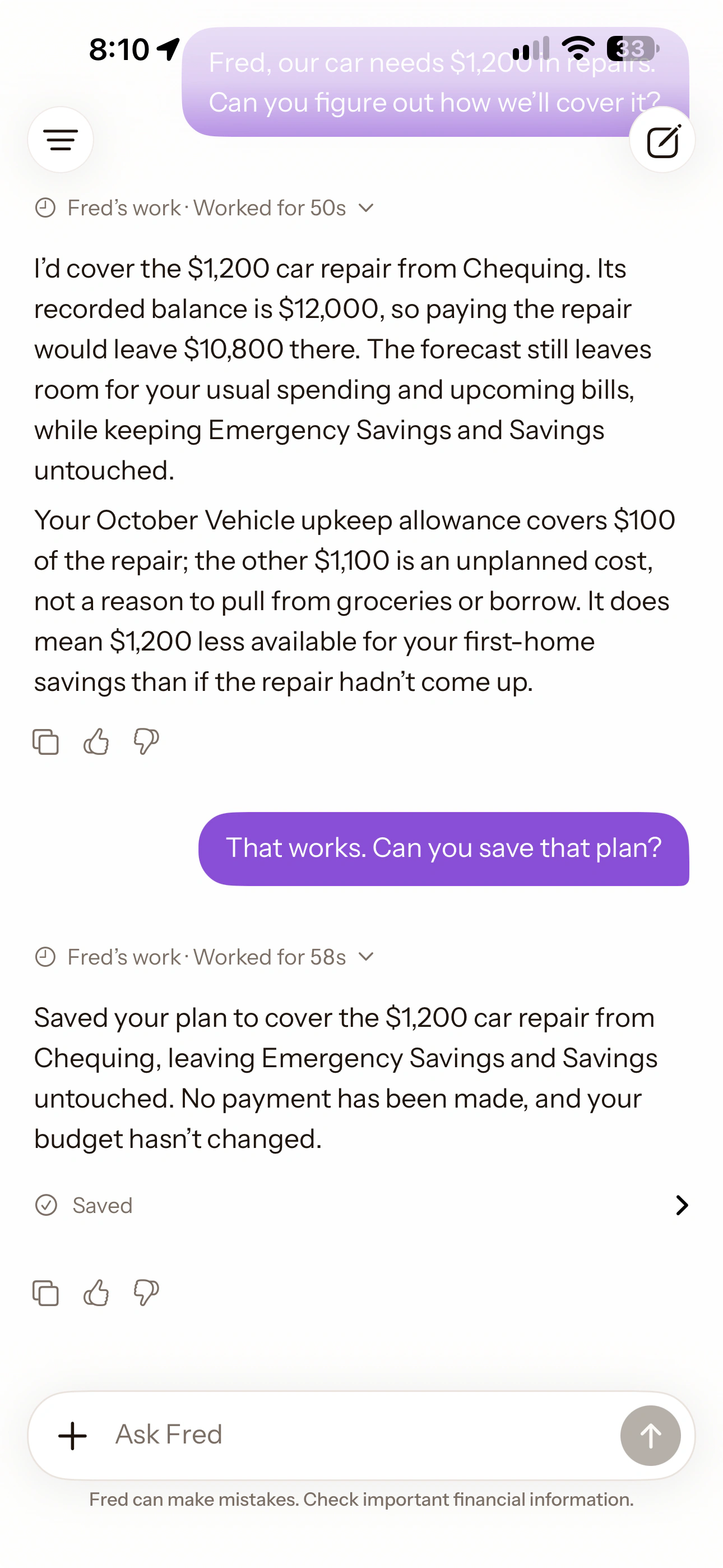
When life inevitably throws you a curveball, figure out the path forward within seconds.

the car needs a 1200 repair. can you help?
Fred
After choosing how to cover the repair
Saved your car repair plan: $1,200 including tax, from checking, tentatively next week.
The repair isn’t booked or paid, and the budget hasn’t changed. The quote exceeds your usual $100 monthly vehicle upkeep allocation.

Fred helps organize bills, receipts and statements, while expense categories learn from your corrections. Less digging, filing and remembering for you.
See what Fred can do
You don’t need a plan before you start. Bring Fred a question. He helps you get set up, with your finances and plans saved for next time.
Start my free trialNo credit card required. Cancel anytime.

Fred researches costs and rules you might not know to ask about. See his sources and work through what the answer means for you.
Meet Fred
Fred considers taxes, timing and your other priorities. Work out which steps come first and what the plan would leave for everyday life.
See how Fred plans
Plan together in a shared Space. Work through household bills and goals with Fred, while keeping private finances separate.
Explore Fred
You choose what Fred can access. Disconnect plugins and manage his saved memories in Settings. Your information is never sold or used for AI training.
How we protect your informationSwipe or drag to explore. You can also focus the carousel and use the arrow keys, Home or End.
Everyday help, 1 of 6
Your subscription brings Fred and your personal and household finance tools together: budgets, bills, goals, shared Spaces, income and tax tools, and income, expense and wealth tracking.
Use the tools yourself or ask Fred to take on the research, planning and financial admin. You don’t need to assemble your finances in several places before working out what to do next. Plans differ in Fred usage and Gmail connections; see Pricing for details.
ChatGPT and other general AI assistants can be useful for research and planning. With Fred, the finances you’ve recorded, the conversation and the work you approve are connected in deezbills. You don’t have to turn an answer into a separate project across an app and a spreadsheet.
For example, if you want to buy a home, Fred can research the mortgage, taxes, insurance and upkeep alongside your bills and other plans. Once you decide what works, he can set up the goals, adjust budgets and save the plan you approve. When life changes, you have an existing financial picture and plan to revisit together.
Yes. deezbills supports personal and household finances in Canada and the United States. Fred works with your location and financial circumstances, and the calculators use the country you select.
No. deezbills never asks for your bank login. Tell Fred about your finances, add records yourself or upload receipts and statements. You can also connect Gmail or forward financial emails to your private forwarding address.
Your finances reflect the information you provide and import, rather than a live bank feed.
Gmail is optional. When you enable it for Fred, he can find relevant financial emails and read supported attachments to help with your questions. Automatic expense detection is a separate option.
Access is read-only. Fred cannot send, edit, archive or delete your email. You can turn off Fred’s access or disconnect Gmail.
Yes. Use a shared Space for household accounts, bills, goals and plans. You choose which accounts to share and can keep personal finances separate.
Your partner can see what’s been planned and work through questions with Fred, without needing you to explain how everything was set up. You can make decisions together without both having to be into finance.
No. Your conversations, financial information, files and connected data are never sold or used to train our AI providers’ models. Providers process information to help Fred respond, and retention varies by service and account settings. Our privacy policy explains the details.
Try deezbills for 7 days with no credit card required. Explore the tools, get your household organized or ask Fred to work through something you’ve been putting off.
When the trial ends, choose a subscription to continue. You won’t be charged unless you choose to subscribe. See Pricing for current plans and usage allowances.
From everyday spending to bigger plans, Fred helps you make informed decisions and stay organized, and takes care of the details so you can feel confident and in control.From everyday spending to bigger plans, Fred helps you make informed decisions and stay organized.
Put Fred to work7 days free. No credit card required.

Fred is an AI financial copilot, not a licensed financial advisor. He can make mistakes and does not replace advice from a qualified professional.
Still loading deezbills
This is taking longer than expected. You can keep waiting or try again.