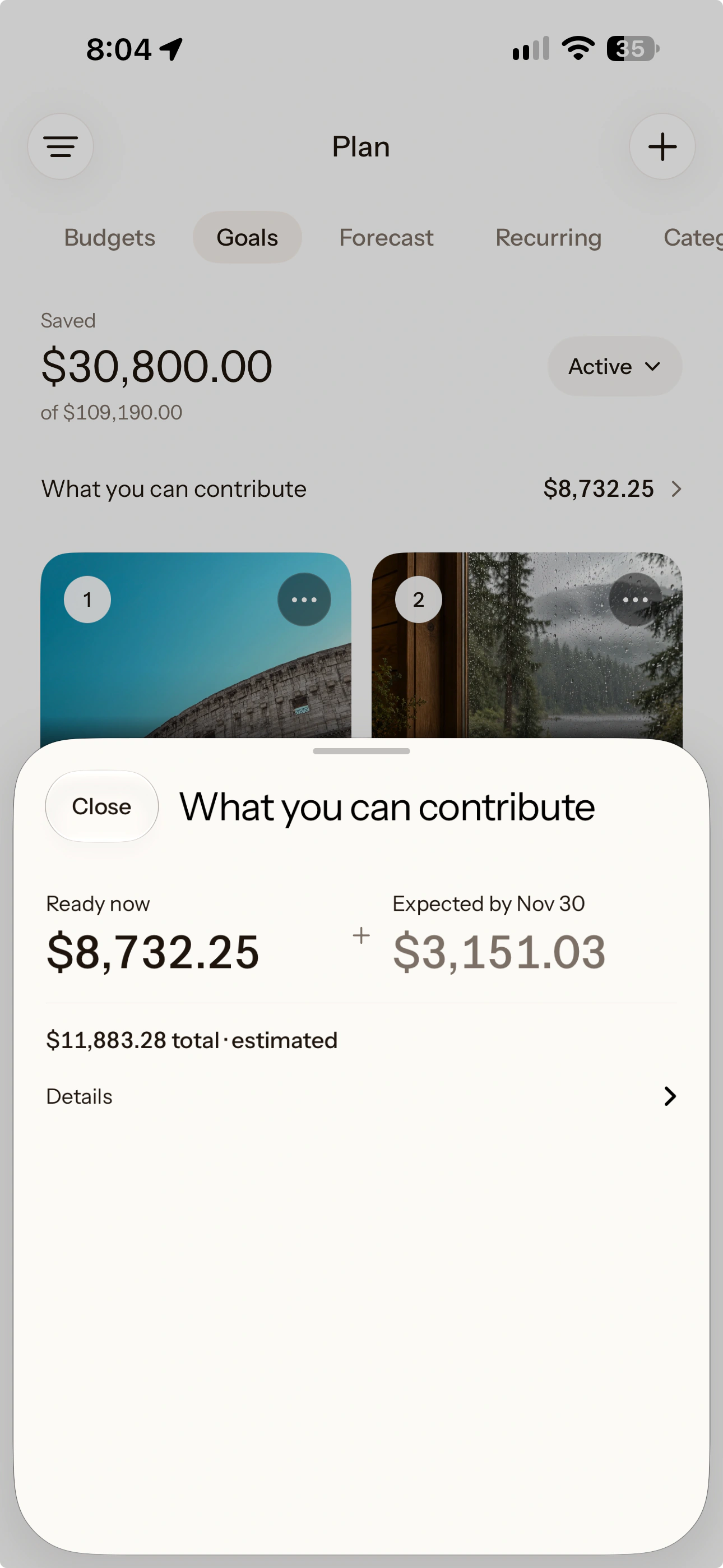
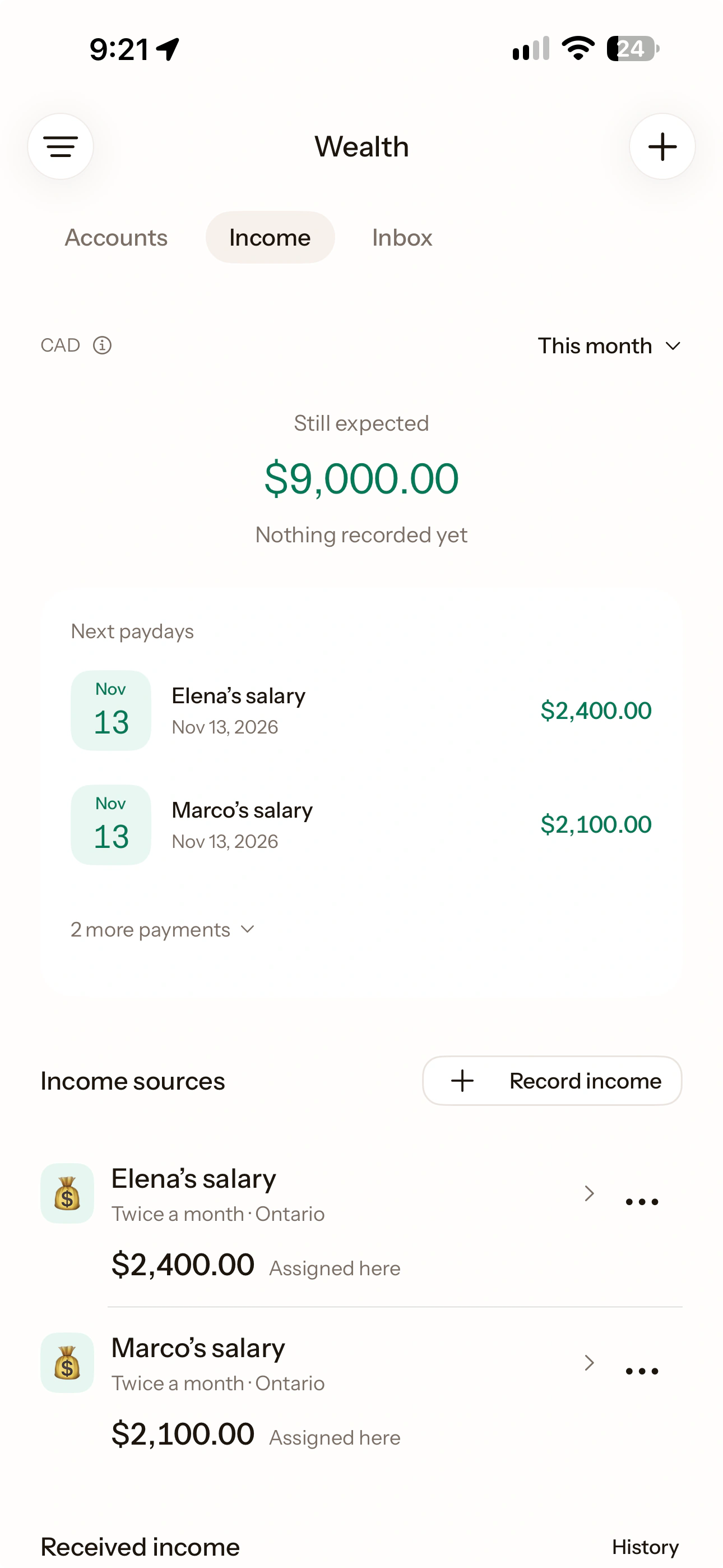
Be as hands on or off as you like.
Utilize the tools inside deezbills yourself, or put Fred to work and watch him take care of everything for you.

Estimate your salary after federal and Nunavut tax, and see how your pay changes through the year.
2026 tax year · Federal + Nunavut · No account required
$2,204.57
every two weeks, on average
Nunavut · 2026 estimate
Based on 26 payments across a full year. Individual paycheques may vary; amounts are rounded.
Estimate only. Assumes you live and work in the selected province/territory all year. Actual paycheques can vary with employer deductions and payroll setup.
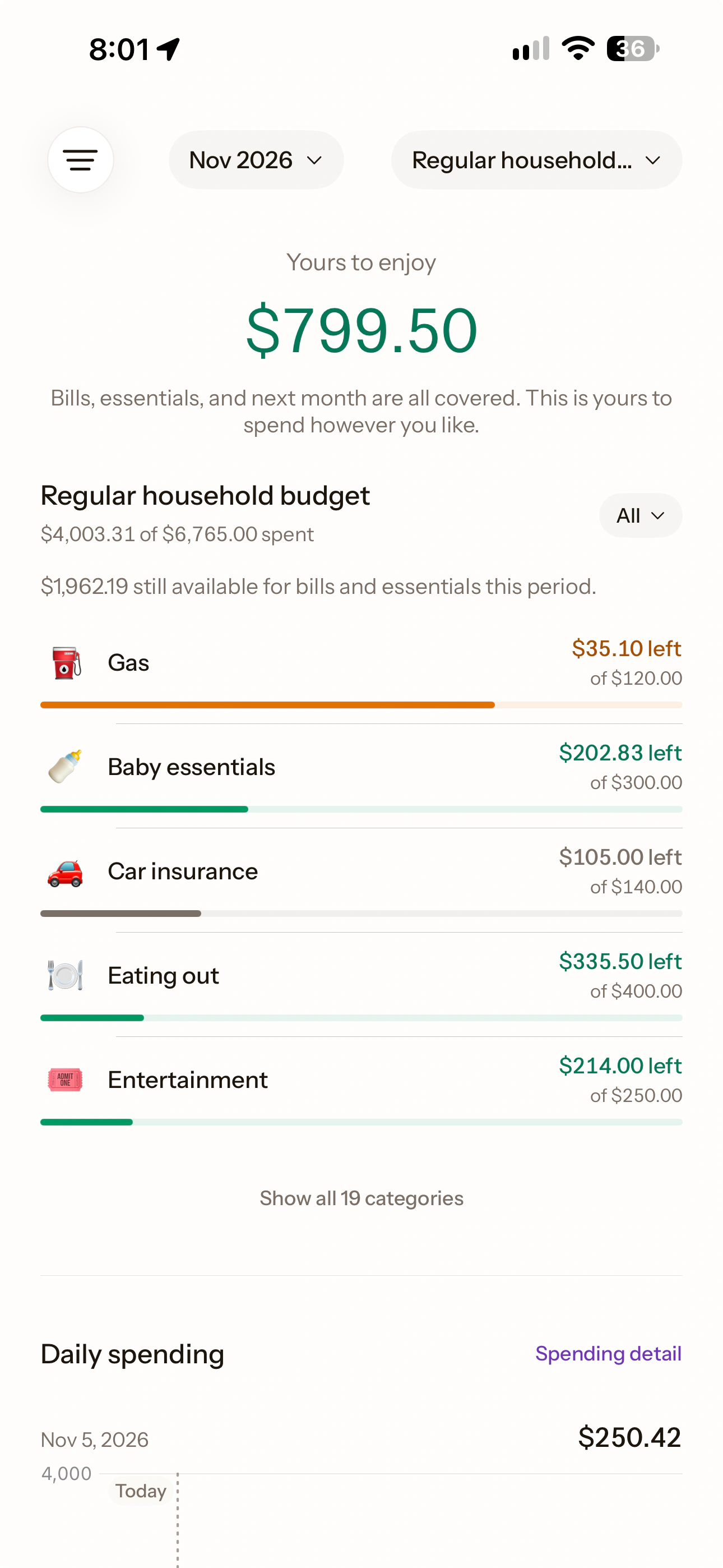
Track, budget, forecast, or put Fred to work and watch him do it for you.
Utilize the tools inside deezbills yourself, or put Fred to work and watch him take care of everything for you.
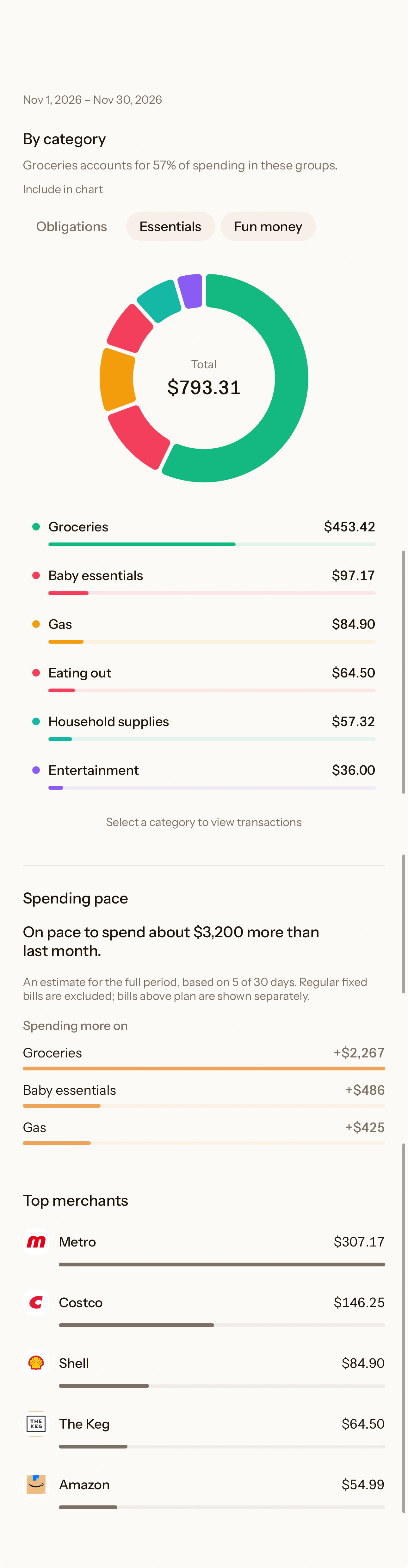
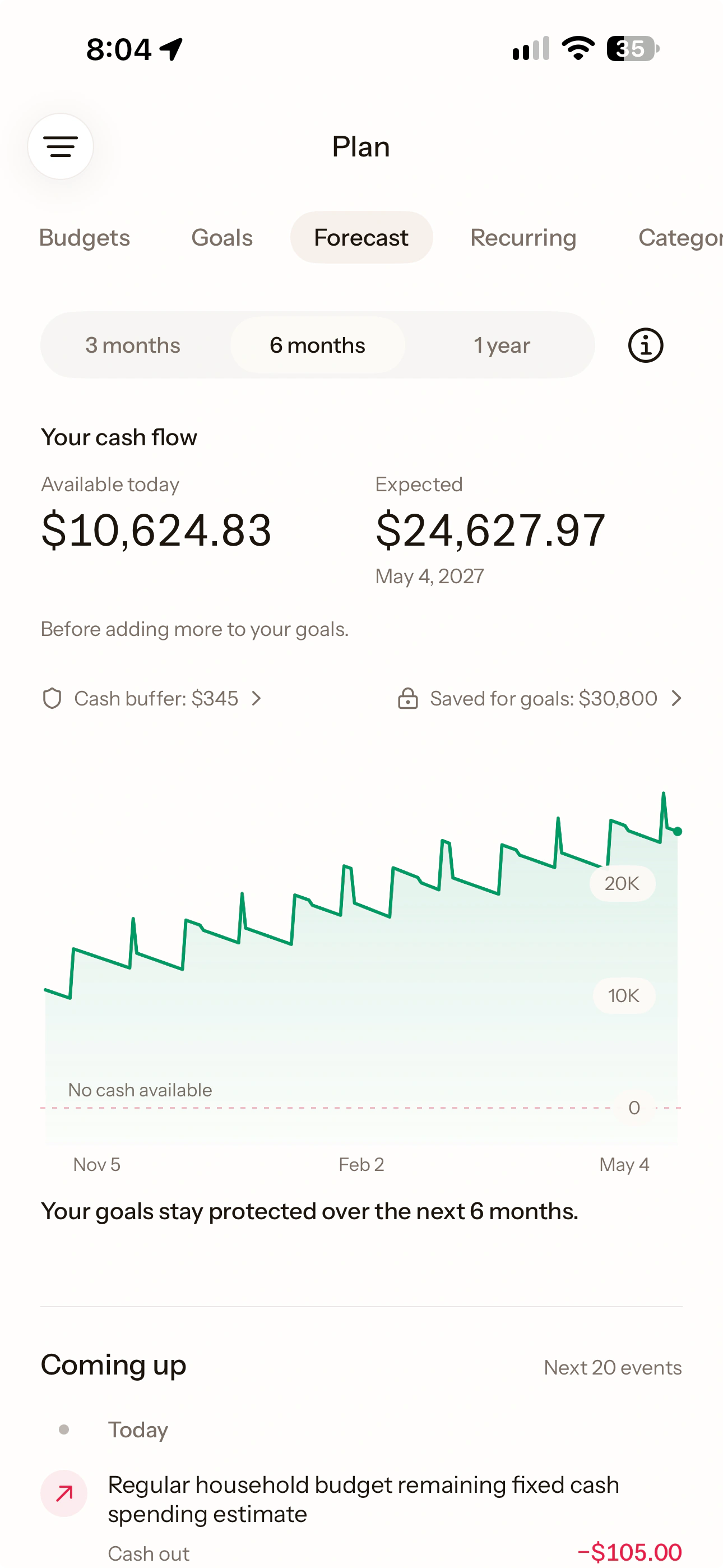
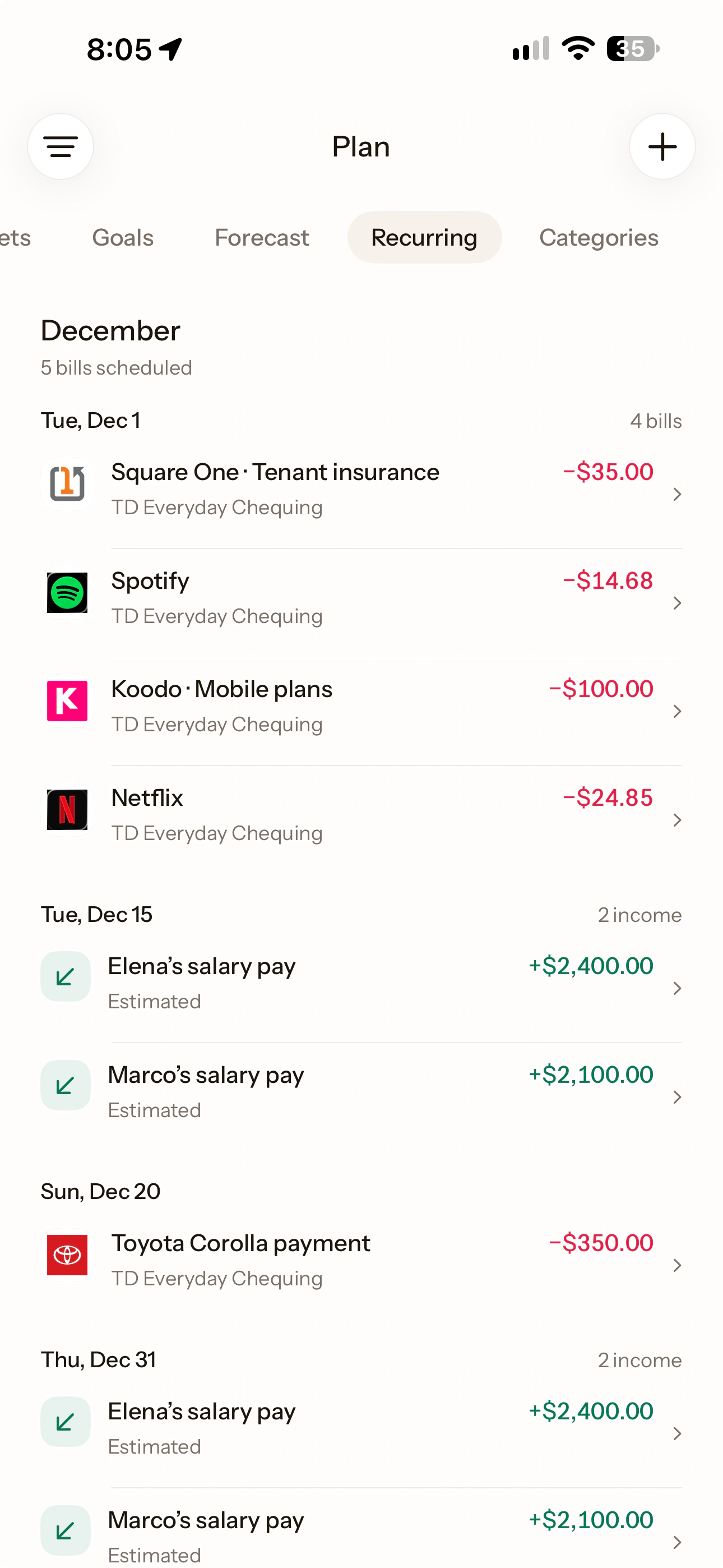
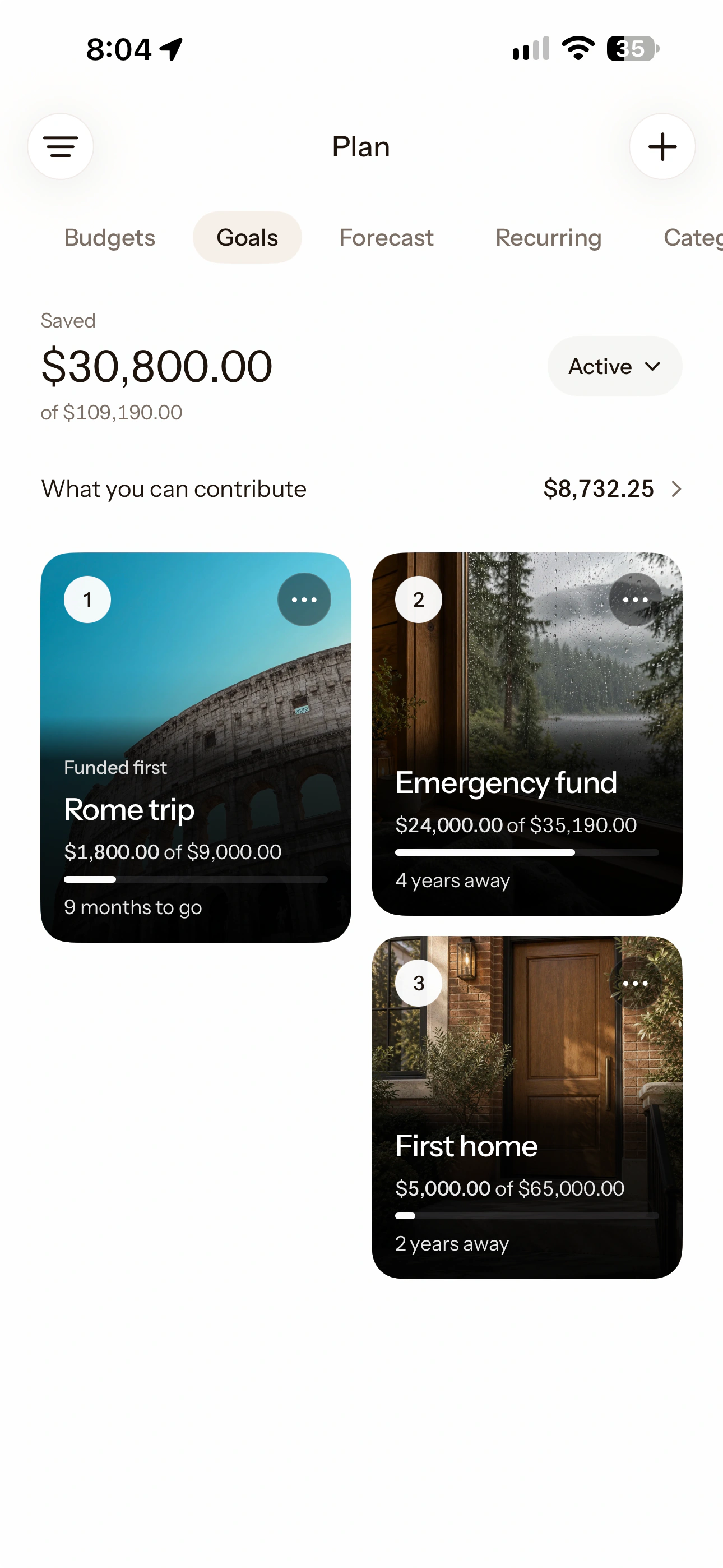
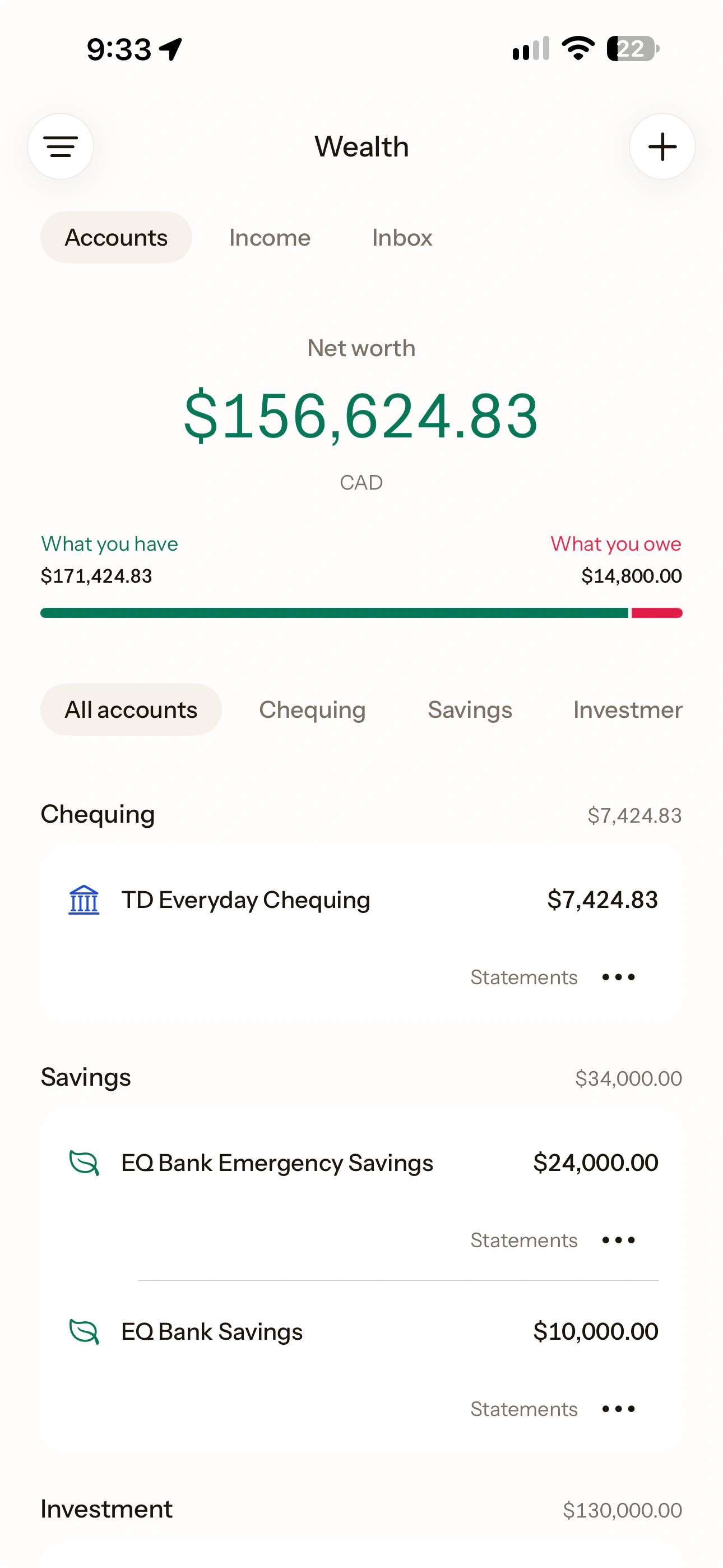
Set priorities and goals, track upcoming bills, expenses and paydays. Your whole financial picture, all in one place.
iOS app available soon.
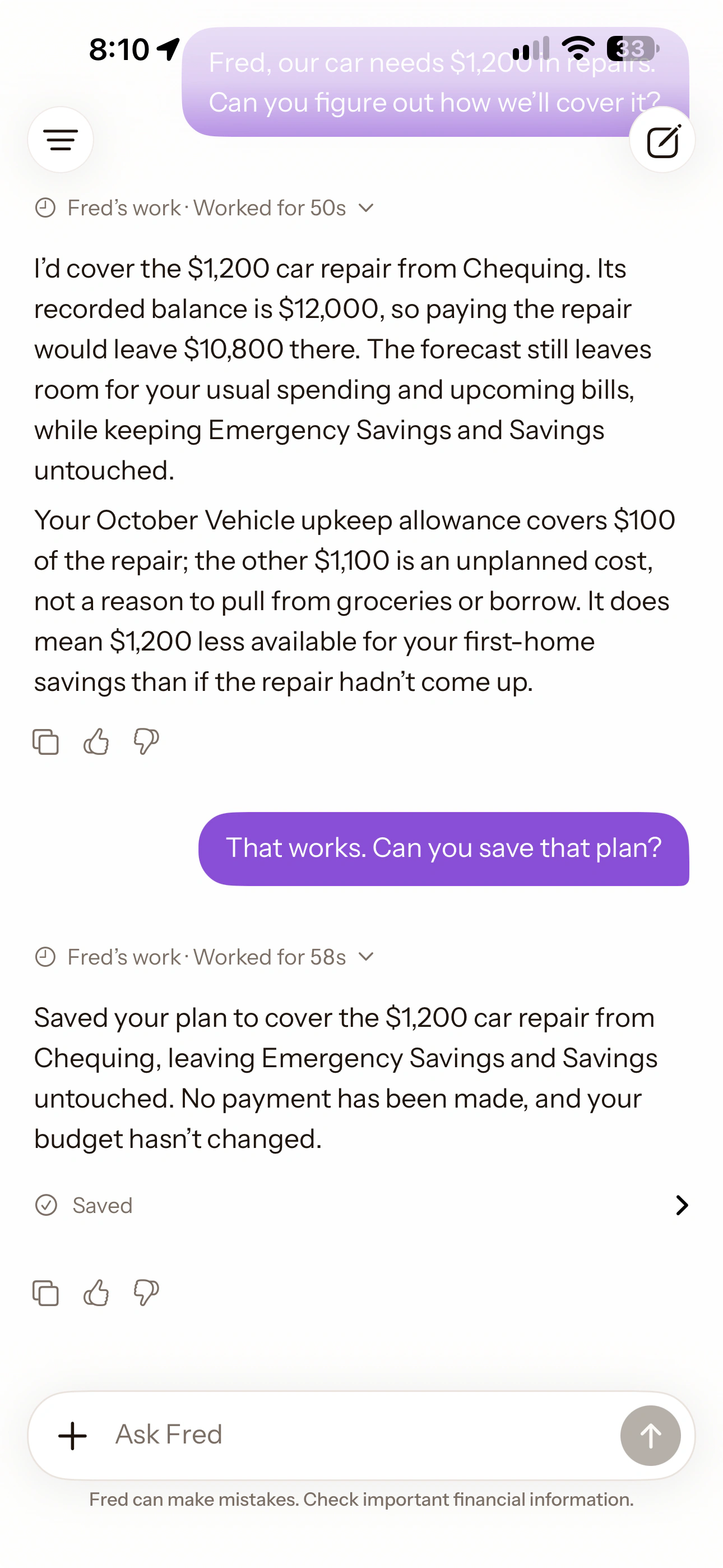
A raise. A summer away. Tell Fred what you’re planning. Your financial copilot researches the costs and works out how they fit with your bills and savings.

What should I do with my next raise?
Your finances live in deezbills. Fred makes the changes you approve, so there’s less to keep track of and more room for life.
7 days free. No card required.Fred researches costs and rules alongside your bills, savings and other plans.
Tell Fred what changed. He helps update your saved plans without starting again.
Fred makes the changes you approve in deezbills and shows what was saved.
These are the federal and Nunavut annual income tax amounts for 2026. Basic personal amounts can reduce at higher incomes. Paycheques use the payroll withholding rules in effect during each part of the year, including any midyear catch-up adjustments, so withholding can differ from annual income tax.
Federal basic personal amount
$16,452
Nunavut basic personal amount
$19,659
Sources: CRA payroll deduction formulas and the CRA payroll deductions calculator.
Each example is calculated by the calculator using bi-weekly pay, so the average, annual take-home, and biggest paycheque all follow the same rules as the interactive tool.
$50,000 salary
$1,552
average bi-weekly paycheque
$80,000 salary
$2,335
average bi-weekly paycheque
$120,000 salary
$3,404
average bi-weekly paycheque
On a $80,000 salary in Nunavut, this calculator estimates $19,301 in income tax plus statutory payroll deductions, leaving about $60,699 after deductions for the year. That is roughly 24% of salary before employer-specific deductions.
For the $80,000 worked example, the income-tax average rate is about 15.2%, before adding CPP, CPP2, EI. The total withheld share shown in the calculator includes both income tax and payroll deductions.
CPP, CPP2, and EI each have annual maximums. Once one of those contributions is paid up, that deduction stops or changes and later paycheques can be larger. The calculator shows the paycheque-by-paycheque breakdown instead of smoothing the year into one average.
The Nunavut annual tax bracket table and basic personal amount are listed above. These are the federal and Nunavut annual income tax amounts for 2026. Paycheques and worked examples use the payroll withholding rules in effect during each part of the year, including any midyear catch-up adjustments. Withholding can differ from annual income tax.
No. This calculator treats them as personal annual contributions, not payroll deductions, so your paycheques stay the same. It estimates the refund impact because those contributions can lower taxable income when you file.
No. You do not need an account, and the numbers you enter are not stored.
Calculate another province
Compare take-home pay in another province with its own tax rules and paycheque examples.
Still loading deezbills
This is taking longer than expected. You can keep waiting or try again.